


Juan Castellano’s clinical approach is grounded in the integration of movement science, physiotherapy, and structured exercise prescription. Over the years, he has played a key role in the evolution and clinical application of Pilates within healthcare environments, contributing to what is now widely recognized as Clinical Pilates. Rather than treating Pilates as a fixed method, his work is based on clinical reasoning, individual assessment, and precise exercise prescription. This allows movement to be used as a targeted, adaptable therapeutic tool tailored to each patient. This approach bridges rehabilitation and performance, focusing not only on symptom resolution, but on improving movement quality, reducing injury risk, and enhancing long-term physical capacity.
Clinical Approach.

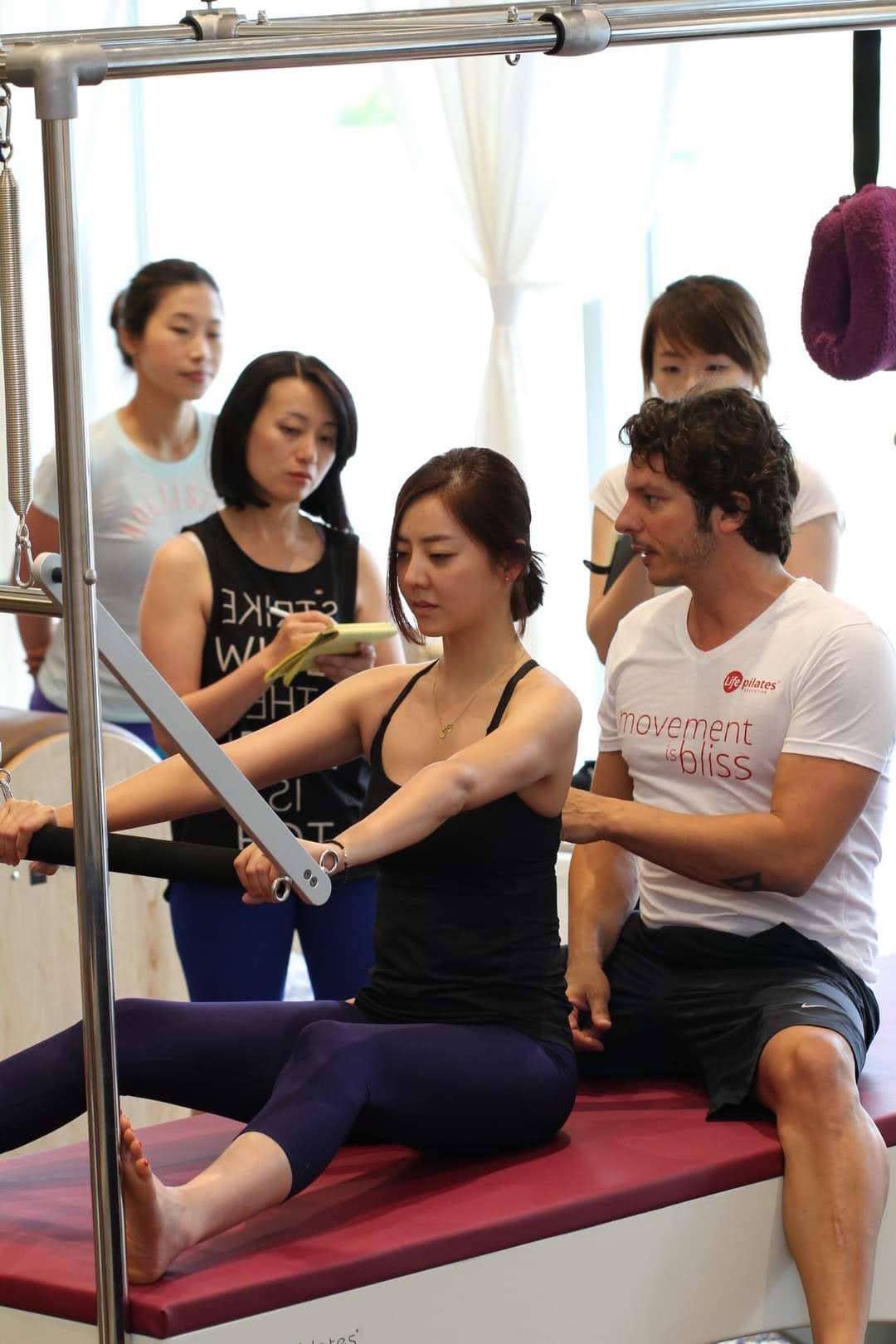
International Education.
Juan Castellano is an active international educator with over two decades of experience, delivering lectures and professional training across Europe, the United States, Asia, and South America.
His work extends beyond Pilates education, including contributions to conferences and professional events in physiotherapy, sports medicine, and clinical exercise science.
He has also participated as a speaker in health-focused initiatives and international organizations, delivering educational sessions on topics such as exercise prescription, prevention strategies, and clinical applications in populations including oncology patients.
His teaching focuses on helping healthcare and movement professionals develop a deeper understanding of how to apply exercise within a structured clinical framework.
Rather than promoting generic exercise models, he emphasizes a precise, evidence-informed approach based on clinical reasoning, physiological adaptation, and long-term health outcomes.
The Institute.
The Juan Castellano Institute clinical approach is grounded in the integration of movement science, physiotherapy, and structured exercise prescription. Over the years, he has played a key role in the evolution and clinical application of Pilates within healthcare environments, contributing to what is now widely recognized as Clinical Pilates. Rather than treating Pilates as a fixed method, his work is based on clinical reasoning, individual assessment, and precise exercise prescription. This allows movement to be used as a targeted, adaptable therapeutic tool tailored to each patient. This approach bridges rehabilitation and performance, focusing not only on symptom resolution, but on improving movement quality, reducing injury risk, and enhancing long-term physical capacity.